A terrible thing to waste
How to raise the world’s IQ
Excerpts from a July 11, 2024 article in The Economist: “How to raise the world’s IQ - Simple ways to make the next generation more intelligent”
Some argue that human intelligence will matter less as people outsource their thinking to artificial intelligence. To assume this would be as foolish as betting 100 years ago that the invention of the car would make it unnecessary to walk. In the workplace, human intelligence and AI will probably complement each other. And brains are for the joy of thinking, as well as earning money. Steven Pinker of Harvard University calls intelligence “a tailwind in life”, helping people adapt rationally to new challenges or a changing environment. For a modest price, the next generation can have a stronger tailwind. It would not only be wrong to refuse them. It would be stupid.
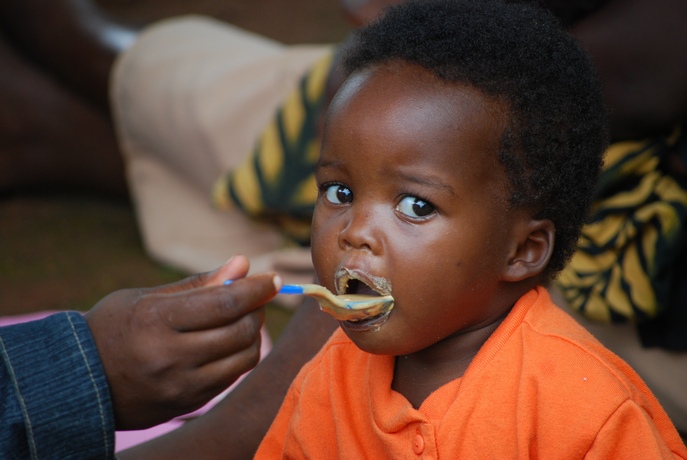
Globally, 22% of under-fives—roughly 150m children—are malnourished to the point of stunting. That means their brains are likely to be stunted, too. Half the world’s children suffer micronutrient deficiency, which can also impede brain development. Poor nutrition and a lack of stimulation can translate into a loss of as many as 15 IQ points. This has woeful consequences: one study found stunting led to incomes being 25% lower. Damage incurred during the “golden window” of the first 1,000 days after conception is likely to be permanent.
Nearly three-quarters of countries mandate that at least some mass-produced foods are fortified, but rice is usually not—making the Philippines’ recent ban on “golden rice”, genetically modified to have extra vitamin A, especially wrong-headed.
Greenpeace vs Children's Health
Arguments out of thin air
In a few plain, obvious and convincing words, world renowned rice breeder Dr Gurdev Khush debunks several fairy tales being touted by Greenpeace as the major reasons why Golden Rice would constitute a menace for farmers and their purported heirloom rice varieties.
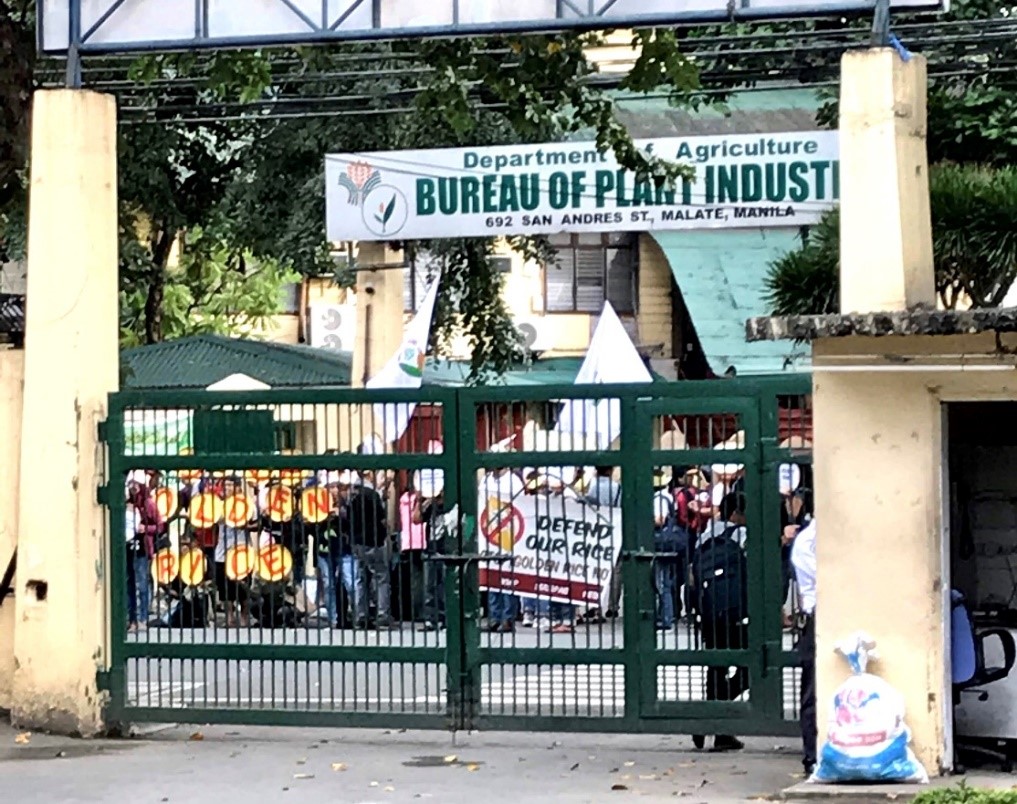
On 25 May 2024, Dr Khush was asked by The Guardian to give his opinion on a statement made by Greenpeace regarding the Philippines Court of Appeals decision to ban the growing of Golden Rice in that country. Follow this link to read the baseless assertions expressed by the head of Greenpeace Philippines and Dr Khush's sharp response.
And if we look at Dr Khush’s illustrious career, we will immediately see that there is no better positioned person to make such comments. During a 35-year career at IRRI, from where he retired in 2002, Dr Gurdev Khush, Principal Plant Breeder and Head of Division of Plant Breeding Genetics and Biochemistry, spearheaded the program that developed high-yielding and disease and insect resistant rice varieties and which underpinned the Green Revolution. More than 300 rice varieties developed under his leadership have been released in Asia, Africa, and Latin America. Thanks to the work he oversaw, most of the major rice-growing countries became self- sufficient in rice production and several also became net rice exporters.
For his contribution to world food security, Dr Khush received the Japan Prize in 1987, World Food Prize in 1996, Rank Prize in 1998, Wolf Prize in Agriculture in 2000, Padma Shri Award in 2000, Golden sickle Award in 2007, and Mahathir Science Award in 2009, in addition to several honorary doctorates from twelve different universities around the world. Dr Khush was elected to the Indian National Science Academy, Indian Academy of Sciences, Russian Academy of Agricultural Sciences, Chinese Academy of Sciences, Third World Academy of Sciences, US National Academy of Sciences, and the Royal Society of London.
Children could die because of Greenpeace’s Golden Rice activism
Article by Mark Lynas, published in The Spectator on 24 April 2024
In April this year (2024), Greenpeace Southeast Asia and other NGOs managed to stop the cultivation and use of vitamin A-enhanced rice in the Philippines, after the country’s court of appeal ruled in their favour.
In doing so, Greenpeace’s brings the whole environmental movement into disrepute, having blocked a multi-year, international, publicly-funded effort to save the lives and the eyesight of millions of children in some of the world’s poorest countries where rice is the main staple.
It has already been 20 years since the first Golden Rice trials took place, but its rollout in Asia has been frustrated by ongoing protests and meritless court injunctions by anti-GMO activist groups. These activists continue to spread myths and misinformation while ignoring decades of scientific peer-reviewed research showing conclusively that genetically-engineered crops and foods are safe.
The court decision means that farmers currently growing Golden Rice across the country will have to destroy their crops. The court’s prohibition also applies to Bt eggplant, another GMO crop with an in-built pest resistance trait intended to significantly reduce the use of toxic insecticides, putting Greenpeace as a promoter of demonstrably unhealthy pesticide use. Compare for example to Australian cotton growers, who now use 97 pc less pesticides on their crop thanks to the same trait.
The court’s decision will prevent Golden Rice from helping save the lives of young children across Asia and Africa, amounting to an estimated 100,000 avoidable child deaths per year.
Read the full article by Mark Lynas following this link.

Rice and Prejudice
Investigative paper published in the Medical Research Archives journal
On 29 February 2024, the following paper concerning Golden Rice was published by the European Society of Medicine:
Author: Dr A C Dubock contact@goldenrice.org Executive Secretary, Golden Rice Humanitarian Board, Switzerland
Abstract
In 2015, Tang et al 2012 was retracted. The paper concerned human research, relevant to public health, conducted in China in 2008. Retraction represents the most severe criticism of a scientific article. This article recounts events over a four-year period and challenges the justification for retraction based on the Committee on Publication Ethics principles.
This research focuses on analysing contemporary (2012–2015) documentary evidence, organised by key narrative participants: Greenpeace, the Chinese Government, Tufts University, the American Society for Nutrition, the US National Institutes of Health, and the US Office for Human Research Protections.
The analysis indicates that technological bias within a university and a learned society, which is also a publisher, led to unethical behaviour and the subsequent retraction. In the USA, oversight of an Institutional Review Board falls under the Office for Human Research Protections. Despite being the principal funder, the NIH's reliance on this office for the retracted paper's research to be publicly available, suggests ineffective oversight.
The retracted paper detailed a crucial nutritional study relevant to combating vitamin A deficiency, a significant cause of child mortality and blindness in low- and middle-income countries. The retraction likely heightened suspicion around this vital public health intervention.
Recommendations are made which are designed to partially ameliorate the injustices perpetrated.
………………………
The full paper can be accessed by clicking the following link: Dubock article.
And the documents referenced in the text can be accessed by clicking the following link: Support material.
The Recommendations
- The retraction of Tang et al 2012 should be rescinded by ASN for the same reasons given by KMK Vice President for Publications, ASN when she threatened Dr Tang and her co-authors on December 5 2013 (Online Resource 6): “to maintain the ethical standards of AJCN and to ensure the integrity of the scientific record.”
- Tufts University should repay Dr Tang the salary not paid in 2014, should properly consider her application for promotion to Professor withheld in 2013 and back date her pay due between then and now, and compensate her for unfair dismissal associated with this case.
- The Chinese Center for Disease Control and Prevention should reinstate the professional status of Yin Shi'an and repay lost income, and compensate for unfair treatment
- The Zhejiang Academy of Medical Sciences should reinstate the professional status of Wang Yin and repay lost income, and compensate for unfair treatment
- The Hunan Provincial Center for Disease Control and Prevention should reinstate the professional status of Hu Yuming and repay lost income, and compensate for unfair treatment
- To prevent further miscarriages of justice, Human Health Services of the US National Institutes of Health, should review their Office for Human Research Protections processes used to review supportable challenges to Institutional Review Board decisions.
Comments on the Recommendations by the responsible institutions
A few hours after publication on Friday March 1st the abstract and links above were e mailed individually to the President and to the Chief Executive of the American Society for Nutrition (ASN), to the Editor in Chief of the American Journal of Clinical Nutrition (AJCN) , and to another senior editor of the AJCN (who was the Editor in Chief during 2012- 2015), The President of Tufts University, and also to the immediate Past President of Tufts University (who was President of the University 2012- 2015), to the Chief of the Chinese Centre for Disease Control and Prevention (CCDCP), and to the Director of the US National Institutes of Health (NIH) .
On Wednesday March 5 - 4 days ago at the time of writing - comments were invited from:
- ASN (copied to both AJCN editors) relating to Recommendation 1,
- Tufts University President (copied to the Past President), relating to Recommendation 2
- The CCDCP chief relating to Recommendations 3, 4 and 5
- The Director of NIH relating to Recommendation 6.
Comments were requested by Friday March 8 midnight (CET). We said that we would record these requests and also post ‘verbatim’ any comments received on this, our website. (Comments were requested to be less than 210 words – the same as the Abstract.)
No comments have been received.
Allow Golden Rice to save lives
Opinion
An Opinion paper by Felicia Wu and colleagues, published in the Proceedings of the National Academy of Sciences USA (PNAS) in December 2021, notes that 20 years after Golden Rice was first obtained by Ingo Potrykus and Peter Beyer, the tragedy we face is that this brilliant scientific success is opaqued by regulatory delays that have only led to a perpetuation of immense grief and huge losses in terms of preventable deaths, with no reported apparent benefits to consumers or the environment brought about by the overprecautionary stance of the authorities involved in the decision-making process. The urgency of getting Golden Rice approved has become more apparent, and even more urgent, with the ongoing pandemic, which has made access to healthcare services more difficult in vulnerable populations worldwide.
The World Bank recommends that micronutrient biofortification of staple crops, including specifically Golden Rice, should be the norm and not the exception in crop breeding. Golden Rice can effectively control vitamin A deficiency (VAD) and its deadly consequences, especially for children. Delaying the uptake of a genetically modified product shown to have clear health benefits has and will cost numerous lives, frequently of the most vulnerable individuals. VAD has cost more lives than the current pandemic already! Policymakers must find ways to overcome this resistance and accelerate the introduction and adoption of Golden Rice.
Link to opinion paper at PNAS (or as PDF)
In the 1990s, between 23–34% of children under 5 deaths in the world were VAD related. Progress against the UN Millennium Development Goals brought down this number to about 2% of all deaths attributed to VAD. This was achieved by a combination of mass vaccination programs against measles, better access to clean water, and vitamin A supplementation, along with economic development and education about diet reducing food insecurity. With community health programs having been adversely affected by the pandemic there is an imminent danger that VAD related deaths might climb again toward 1990s levels. It is under such circumstances that adoption of biofortified crops like Golden Rice can show their greatest potential as a safe, culturally simple and economically sustainable amelioration due to the simple facts that smallholders can grow and multiply their own biofortied crops and that such crops can vastly reduce the need for supplementation campaigns requiring recurring assembly of a costly labour and travel infrastructure to reach all those in need in the most remote areas. This current situation and possible solutions are discussed in another article by Dubock et al entitled “Golden Rice, VAD, Covid and Public Health: Saving Lives and Money” (Link to publisher IntechOpen or to PDF).
Massive production of 'Golden Rice' seeds to start this year
Biotechnology to contribute to agriculture in the Philippines
The Presidential Communications office in the Philippines has announced that 2022 marks the start of massive production of Golden Rice seed, as well as Golden Rice for consumption, focusing on the vitamin A deficient provinces. Thus, Golden Rice spearheads the country's regional leadership in recognising biotechnology as a “powerful force to feed the future”, thereby establishing leadership in nutritional security, sustainability, agricultural productivity and economic growth. Golden Rice will be promoted as part of the Philippines Plan of Action for Nutrition. Golden Rice also featured prominently in the recent opening of the Crop Biotechnology Centre of the Philippines, by Department of Agriculture Secretary, Dr William Dar. The Philippines National Seed Industry Council has adopted a unified policy for the varietal registration of all genetically modified crops, saving the costs and time of unnecessary duplication of development work.
Commercial Propagation Permit for Golden Rice signed off in the Philippines
Philippines becomes first country to approve Golden Rice for planting
As of 21 July 2021, the Director of the Philippines Department of Agriculture's Bureau of Plant Industries (DA-BPI) signed off on the Commercial Propagation Permit for Golden Rice in the Philippines.
You can read about this widely publicised event in many local and international news releases:
International Rice Research Institute (IRRI): "Philippines becomes first country to approve nutrient-enriched Golden Rice for planting". Filipino farmers will become the first in the world to be able to cultivate a variety of rice enriched with nutrients to help reduce childhood malnutrition, after receiving the green light from regulators. Golden Rice was developed by the Department of Agriculture-Philippine Rice Research Institute (DA-PhilRice) in partnership with the International Rice Research Institute (IRRI) to contain additional levels of beta-carotene, which the body converts into vitamin A. […]
PhilRice (Philippine Rice Research Institute, Department of Agriculture): “Filipinos soon to plant and eat Golden Rice”. Filipino rice consumers are close to benefiting from a Vitamin A-infused rice with the approval of its commercial propagation permit.Dr. John C. de Leon, executive director of the Department of Agriculture-Philippine Rice Research Institute (DA-PhilRice), announced that a biosafety permit for propagating the Golden Rice has been issued on July 21, 2021. […]
Zeit online (Germany): "Philippinen genehmigen gentechnisch veränderten goldenen Reis". Die Reissorte enthält Beta-Carotin – eine Vorstufe des Vitamins A. Ein Mangel daran ist in Entwicklungsländern oft Grund für Erblindungen bei Kindern. […]
Dhaka Tribune (Bangladesh): “Philippines becomes first country to approve Golden Rice for planting”. The Philippines on Friday approved commercial cultivation of vitamin A-rich Golden Rice, long touted as a partial remedy for childhood malnutrition. It comes at a time when scientists in Bangladesh expressed deep frustration over regulators’ delay in approving the variety in the country for nearly four years. […]
The Daily Star (Bangladesh): "Philippines’ approval of Vitamin-A enriched Golden Rice a positive for Bangladesh too". The Department of Agriculture in Philippines has approved the release of Vitamin A-enriched "Golden Rice", clearing the way for it to be cultivated commercially in the country. […]
Statement by the National Academy of Science and Technology of the Philippines
On the occasion of the approval of Bt eggplant and Golden Rice
The Department of Agriculture of the Philippines approved Bt eggplant for food, feed and processing, and Golden Rice for commercial propagation. On this auspicious occasion, the Academy of Science of the Philippines has congratulated the Institute of Plant Breeding, UP Los Baños, for its work on Bt eggplant, and PhilRice, the Department of Agriculture, and the International Rice Research Institute (IRRI) for their work on Golden Rice. The also congratulated the government regulatory system for the rigorous work of ensuring that these products were properly evaluated.
Golden Rice Biosafety Assessments Published
Bangladesh and the Philippines leading the pack
Golden Rice, created 20 years ago and intended as an additional intervention to combat vitamin A deficiency, is closer to being released for cultivation and human consumption in the Philippines and Bangladesh. Assessments of environmental and consumer safety, following detailed research over many years, have been submitted in applications to the corresponding authorities (more in the Regulatory section). Separately, the efficiency of conversion of the beta-carotene provitamin A in Golden Rice to circulating vitamin A has been reported from human studies, proving that Golden Rice is an effective source of Vitamin A (Tang et al., 2009).
Biosafety assessments involve the molecular characterisation of the introduced gene constructs and the biochemical characterisation of the improved crop plant, including a comparative compositional analysis of the biofortified Golden Rice against conventional white rice grains. The molecular characterisation involves analysing the integrity and stability of the inserted gene construct. The DNA sequence of the gene construct is also used to exclude the unintended creation of any novel gene products, including any potential allergens or toxins. Digestibility and heat stability of the gene products (proteins) determines the dietary exposure and allergenic potential of each. In our Publications section you will find four recent publications describing regulatory data generated (Swamy et al, 2019 & 2021; Biswas et al, 2021; Oliva et al, 2020). Food and feed safety, agronomic performance and environmental interactions are reported. The reports involved collaboration of 30 scientist authors from four countries and six research institutions: the Bangladesh Agricultural University (BAU), the Bangladesh Rice Research Institute (BRRI), the Donald Danforth Plant Science Center in the USA, the International Rice Research Institute (IRRI), the Philippine Rice Research Institute (PhilRice), and the University of Freiburg in Germany.
Golden Rice event GR2E* has been crossbred with local rice varieties preferred by growers and consumers in Bangladesh and the Philippines. This gene construct, together with its surrounding DNA, is passed on from generation to generation through breeding programs, ensuring that its structure remains intact. The resulting breeding lines have been tested in multiple locations. The Golden Rice program’s objective is, following consumption, to increase circulating vitamin A levels in the blood to counteract vitamin A deficiency, thereby boosting immunity to common diseases and significantly reducing childhood blindness, of which vitamin A deficiency is the leading cause.
An important finding from the reported research is that beta-carotene levels were around 11 micrograms per gram of grain, which is sufficient to deliver between 80 and 110 per cent of the recommended daily intake of vitamin A for children and women, depending on their average rice consumption.
As a result of the donation of the technology from its creators Professors Potrykus and Beyer, and their agreements with the Government research institutes involved, the additional nutrition in Golden Rice is free of cost to growers or consumers: Golden Rice will cost no more than white rice.
*Many transformation events were produced (Paine et al, 2005) from which event GR2E was selected based on molecular structure and insertion in the rice genome, together with agronomic performance. GR2E is the basis of the regulatory data generated and is the only form of Golden Rice which is offered for approval and use.

Attitudes and Influences relevant to Golden Rice’s potential use in the Philippines
Focussed Group Discussions and Results from four different Agro-Economic Zones of the Philippines to understand attitudes and influences relevant to the adoption and use of Golden Rice conducted by AIM students
In late July 2008 Adrian Dubock approached The Asian Institute of Management, (‘AIM’) Manila, Philippines in connection with some Golden Rice marketing research planned for 2009. The idea was to involve Golden Rice Humanitarian Board member and Professor of Marketing, ‘JP’ Jeannet in providing a seminar for MBA students, at AIM, in consumer field research including focus group management and analysis, followed by about a month’s engagement for the trained students in conducting the focus groups and reporting back. Prof Ricardo Lim, Associate Dean of the W. Sycip Graduate School of Business at AIM kindly undertook to facilitate the request, which could form a component of course work and experience for the MBA students involved. Raul Boncodin of IRRI, and other IRRI colleagues, were closely involved in the subsequent organisation and management.
|
The idea of doing this work in 2009 was to inform the development of a public engagement strategy for the introduction of Golden Rice in the Philippines. Focused Group Discussions provide important qualitative understanding of relevant influences and attitudes. This assists the design of social marketing programmes as part of effective public engagement strategies, necessary for the adoption of varieties of Golden Rice into routine cultivation and consumption as an additional intervention for vitamin A deficiency. The understanding achieved is critically important, and is likely so deeply rooted culturally, that the results are as valid today, as when reported a decade ago. It has been decided to make them available now to assist planning, as upcoming regulatory decisions may allow cultivation of Golden Rice in the Philippines in the foreseeable future. MBA students Sheila Abalajen, Khairy Alonto II, Karen Bitagun, Joana Capareda, Johan Diaz, Ryan Miranda, Cian Palami and Bing Tiongco-Quinto all volunteered to participate in response to the request. Their final report and presentation describe their progress, extensive difficulties - including with multiple dialects, security, and organisational issues – and, extremely usefully, results. Their experience, report and presentation formed part of their academic assessment. All eight graduated Master of Business Administration in 2009, and are thanked again here for their invaluable commitment to assist the Philippine population.  Here is the Executive Summary of the students' work The aim of the study is to identify the main attitudes and perceptions on rice in general, diet, nutrition, and on Golden Rice. The focus group discussion technique was used in the study to generate insights. Four provinces were chosen throughout the whole country where rice farming plays a major part in their economy: Albay, Iloilo, Leyte–Samar, and Bukidnon. Nine local communities for the four different provinces were chosen to participate in the study. Among these, three communities were chosen to represent each of three different types of people: subsistence farmers (less than one hectare of tilled land, usually non-irrigated), commercial farmers (greater than 1 hectare of tilled land, usually irrigated), and members of non-farming households (no involvement with rice farming). Within these communities, 8 to 12 respondents, half being male and the other half being female were chosen by the local coordinator to participate in the focus group discussion. A general questionnaire was used for each focus group discussion across the different provinces. Rice farming is regarded as highly important in these areas, as this is the main source of livelihood. However, it is financials that dictate as to what type of rice to plant and eat. In these areas, there is high trust with local government agencies in terms of agricultural and health concerns. However, these rural participants are vaguely aware on proper diet and nutrition. In these areas, financials are the main constraint, and this serves as the main factor that influences the purchasing power of these people. In terms of information sources, any method that involves high interaction and involvement is highly acceptable and reliable to the respondents. Generally, results showed high acceptability for Golden Rice, despite its difference in color and its nature of being a genetically modified organism. This, however, Is contributed by low knowledge on several key issues such as those pertaining to genetically modified organisms, vitamin A deficiency, and proper nutrition. The knowledge of its vitamin A content, however, did help in its acceptance. The study suggests that certain measures should be taken before releasing Golden Rice to the public, so as to direct the proper perceptions and attitudes to this new type of rice. |
Nutrition and health go together
“……investing in the health and nutrition of vulnerable populations could lower the mortality rate of diseases such as COVID-19 — as nutritional level and mortality rates are intricately linked.”

Prof Fan Shenggen, former Director General of the International Food Policy Research Institute (IFPRI) and Chair of China Agricultural University proposes that to ensure food security in the Face of Covid-19, urgent action is needed:
- Governments need to strengthen market regulation to avoid panic, and guide growers to make rational planting decisions.
- National and international feed supply chains need to function normally, while allowing person-person contact to be minimised.
- Context specific cash or in-kind transfers, are urgently needed from Government, to protect the most vulnerable population members, and these need to continue for post-epidemic reconstruction efforts to be successful. Health and Nutrition officials need to increase their influence: improved health and nutrition of vulnerable populations could lower the mortality rate of diseases such as COVID-19, as nutritional level and mortality rates are intricately linked. [Golden Rice is a nutritional source of vitamin A. Vitamin A improves human immune response to disease – Editor]
- Contagious diseases such as Covid-19, Ebola, SARS, and Avian Flu do not respect national borders. Investment is needed in resilient food systems to allow all countries to prevent or contain the impact of food security crises they cause.
- Many, or all, of the above diseases originated in wildlife and jumped to humans. Regulation of meat, seafood and wildlife markets is essential.
- The smooth international trade in food products must continue uninterrupted by trade protectionist policies of any kind. Such uninterrupted food trade provides a safety buffer against localised shortages.
Adapted from Platform for African – European Partnership in Agricultural Research for Development (PAEPARD), based on the original China Daily source.
Filipinos are First!
The Philippines is the first Asian country to approve Golden Rice for Direct Use
By Adrian Dubock, Peter Beyer & Ingo Potrykus
December 2019
In a victory for science-based regulatory decision-making, the Government of the Philippines has, on 10th December 2019, authorised the direct use of GR2E Golden Rice in food, feed, and for processing. The regulatory data were submitted by the Philippine Rice Research Institute (PhilRice) and the International Rice Research Institute (IRRI) in the spring of 2017 and were scrutinized by several regulatory committees representing agriculture, environment, health, science and technology, and local governments. This decision is huge, representing the first food approval for Golden Rice in a country where rice is the staple and vitamin A deficiency a significant public health problem. Those involved in the authorisation are to be praised for their scientific integrity and courage in the face of stiff activist opposition.
In taking their decision, the Philippine Government has joined Australia, Canada, New Zealand, and the USA in affirming that Golden Rice is perfectly safe.
Unlike the industrialised countries, the Philippines is a country where rice is so important, that Pinoys (the Filipino people) do not consider any food to be a meal unless it is accompanied by rice. In 2018, per capita white rice consumption in the Philippines was 115 kg per annum —or 315 g daily (454 g = 1 lb), or more than 15-fold higher than in the USA.
Since the 1940s, the Philippine Government, at all levels, has pursued policies to deliver better health for its citizens. Nevertheless, the Philippines is a country where vitamin A deficiency (VAD) —which is globally the leading cause of child mortality and irreversible blindness— remains a significant public health problem.
The World Health Organization lists Philippine mothers as being moderately vitamin A deficient, and children less than 5 years old as being severely vitamin A deficient. This is despite, as reported in 2014, 85 percent of children consuming a vitamin-A rich food in the past day, and 76 percent of children receiving a vitamin A supplement in the past 6 months. Supplementation via Vitamin A capsule distribution in the Philippines has been in place since the early 1990s. Initially, the use of capsules was highly controversial. Globally, over the past 20 years, about 10 billion vitamin A capsules have been distributed to preschool children at a cost of about US$10 billion. In the Philippines, increasing standards of living, in combination with supplementation, reduced VAD incidence among preschool children from 40 percent in 2003 to 15 percent in 2008. By 2013, however, VAD incidence had increased again to 20 percent of preschool children, and 28 percent of children between 6 and 12 months old.
A universal source of vitamin A will reduce child mortality by 23–34 percent, and up to 50 percent in cases of measles, thanks to the immune-system-boosting effects of vitamin A. It is expected that adoption of Golden Rice —the golden colour beta-carotene is a source of vitamin A— into the regular diet will continue to reduce the incidence of VAD, and very sustainably: there is no extra cost for the additional nutrition, and no limitations on what small farmers can do with the seed. In the last month, a New Scientist article about Golden Rice commented: What shocks me is that some activists continue to misrepresent the truth about the rice. The cynic in me expects profit-driven multinationals to behave unethically, but I want to think that those voluntarily campaigning on issues they care about have higher standards
.
Consistent with its commitment to public health, the Philippine authorities have ignored the misrepresentations and hyperbole around Golden Rice. Instead, they used their regulatory system and internationally accepted risk assessment principles (and their experience in assessing the safety of gmo crops, which are widely used in the Philippines) to carefully, and impartially, consider the data submitted by PhilRice and IRRI.
Children and women are dying and going blind as a result of vitamin A deficiency, despite existing interventions, and Golden Rice can assist. Even partial substitution of white rice consumption with Golden Rice — all grown in the Philippines by Philippine farmers — will combat VAD, and with no possibility of overdosing.
Before Golden Rice can be adopted by Filipino farmers, it will have to be approved for wide-scale propagation and receive varietal registration. Golden Rice field trials, already completed in both the Philippines and in Bangladesh —which share similar agro-ecosystems— have shown no cause for concern, so the outlook is very positive. Only following adoption of the publicly owned Golden Rice varieties, developed by PhilRice, into daily consumption, can Golden Rice start saving sight and lives, exactly as it was designed to do almost a quarter of a century ago.
Would you be deeply saddened if an airliner full of children crashed into the ground today?
How about two?
The equivalent of 13 jumbo jets full of children crashes into the ground every day and kills them all, because of vitamin A deficiency!!! Golden Rice has the potential to prevent all those deaths. Yet, Golden Rice lines developed by national scientists in countries where vitamin A is endemic are not given a green light by local authorities to be grown by those who would benefit most from those varieties, i.e., the poor families to which those dying children belong. And why is that the case? Simply because authorities are not prepared to face controversy generated by ill-guided activists and because the deaths of poor children do not seem to cause as much controversy, if any.
A recent opinion essay authored by the inventors and promoters of Golden Rice in Leapsmag reminds us of the senseless controversy that has stood in the way of Golden Rice helping reduce one of the main causes of children mortality on a global scale and brings us up to date regarding some positive developments on this front.
The essay, entitled "We pioneered a technology to save millions of poor children, but a worldwide smear campaign has blocked it" (click on the title to follow a link to the essay and the magazine).
Leapsmag is an editorially independent, award-winning online magazine that aims to foster a society-wide conversation about the impact of groundbreaking advances in the life sciences and related fields. Leapsmag publishes reported feature articles, commentary, personal essays, and interviews with innovators whose work stands to affect us all.
Golden Rice Named Among Project Management Institute’s Most Influential Projects of the Last 50 Years
Golden Rice is the first purposefully created biofortified food. Biofortified foods are increasingly being used to address global health issues. And are recommended as standard by the World Bank. Golden Rice, a source of vitamin A, is an additional intervention, and a disruptive technology, for use against vitamin A deficiency, a major public health issue and the most significant cause of child mortality and blindness globally.
7 October 2019 – The Golden Rice humanitarian project, announced today that it has been recognized in the top-10 Biotech Projects , as one of the most influential projects of the past 50 years by Project Management Institute (PMI) in its 2019 Most Influential Projects list. Golden Rice is the only plant-based biotech project listed, although it shares its health applications with the other nine in the list.
The purpose of the Most Influential Projects list is to raise awareness of the positive impact that project work has had on the world. More than 1,000 projects were considered by a group 400 leaders in the global project management community, including PMI chapter leaders and members, as well as academics and industry experts to determine the list of the Top-50 Most Influential Projects.
Additionally, PMI has released lists of the top 10 most influential projects across 14 categories in a variety of regions and industries, including a broadly-based biotechnology category. The final selections, made by PMI’s thought-leadership team, provide an inspirational reflection on what project work has enabled and the central role it has played in creating our present.
The lists are extremely eclectic, and it is gratifying to see Golden Rice recognised, in a process which the project had no input into.
The technology behind Golden Rice was donated to assist the resource poor of the world in 2000, by its inventors Professors Ingo Potrykus and Peter Beyer. Golden Rice is a not-for-profit project: no individual, nor organisation involved with its development, has any financial interest in the outcome. And, as a result of the terms of the donation by its inventors, and collaborations with Governments of countries where rice is the staple food and vitamin A deficiency endemic, Golden Rice will cost no more that the white rice variety into which the nutritional trait has been introduced.
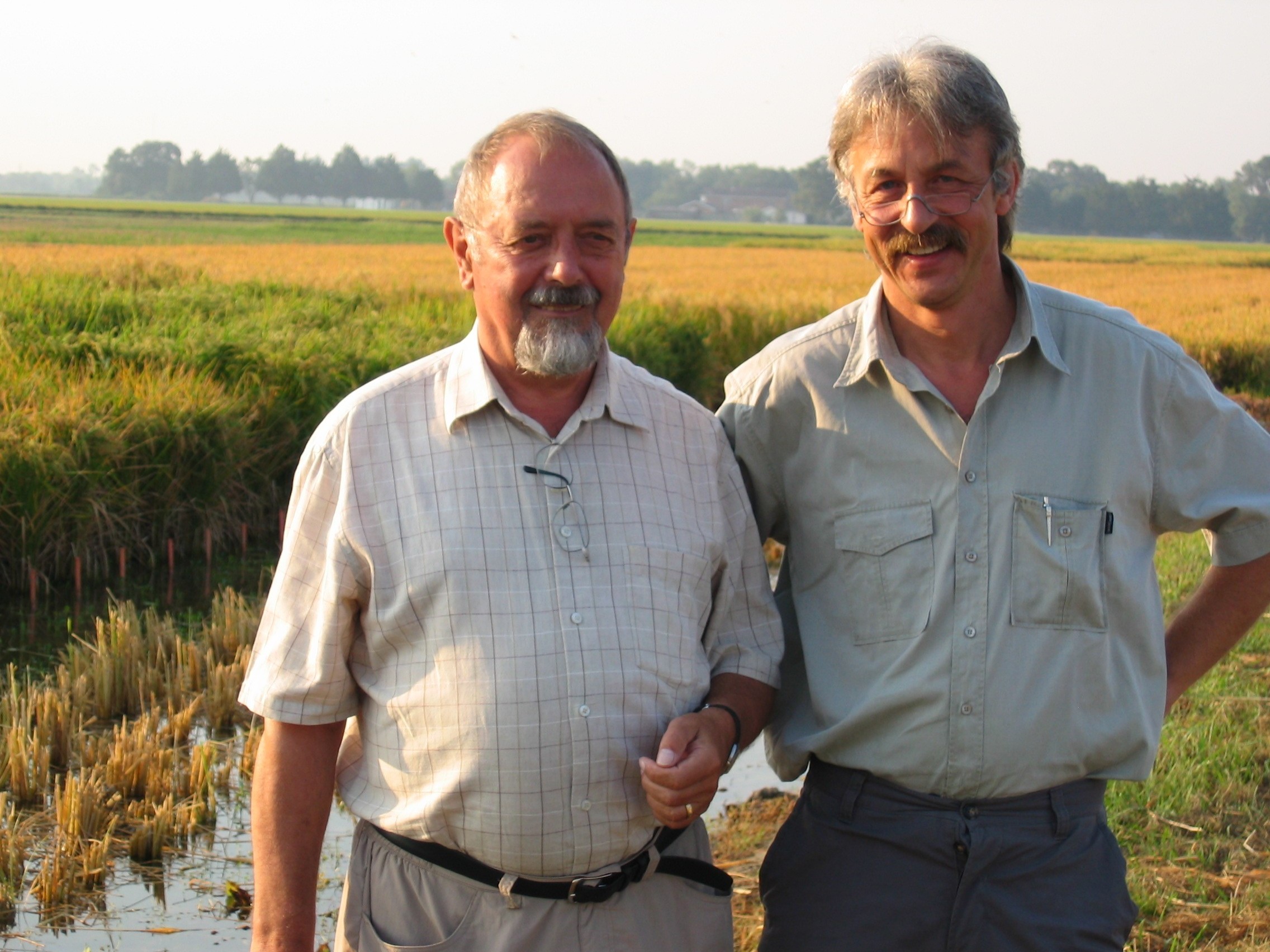
Ingo Potrykus commented: “When starting this project in the early 90’s I was 56. Around 4,500 children a day die as a result of the ‘nutritionally acquired immune deficiency syndrome’ which is Vitamin A deficiency. Many more become blind. Now I am approaching my 86th birthday and Golden Rice is still not in the hands of those who need it so badly.
Now, though, everything is in place. The need for Golden Rice is clear, and it is registered as safe in Australia, Canada, New Zealand and USA. It is very clear it can make a huge contribution as an additional intervention for vitamin A deficiency, at no cost to growers or consumers. And it can contribute to attainment of Sustainable Development Goals 1,2,3,4,5 & 7.
Regulatory dossiers have been submitted in key developing countries. All that is now needed is for Public Health Professionals to overcome any scepticism caused by the anti-gmo activists’ activities over the past three decades and embrace Golden Rice.
Hopefully in my lifetime, you, and I, will start to see Golden Rice saving the sight and lives of some of the 3.5 billion people, half the world’s population, who consume rice, and often little else, every day.”
“This recognition reflects the incredible progress we have made in the project management profession and demonstrates how the fabric of our world has been shaped, and continues to be shaped, by the hard work of bringing ideas to life,” said Sunil Parashara, President and CEO of Project Management Institute. “This list demonstrates PMI’s vision of how excellence in project execution will be critical in meeting the challenges and opportunities of tomorrow.”
The list is part of PMI’s 50th anniversary celebration that includes various activities to recognize the important role project management has played over the past five decades and celebrate where the profession is going.
The complete list of projects honoured can be found at this PMI link
The list of Honourees of the Golden Rice project recognised for their contributions in the PMI Award
About Project Management Institute (PMI)
Project Management Institute (PMI) is the world's leading association for those who consider project, program or portfolio management their profession. Founded in 1969, PMI delivers value for more than three million professionals working in nearly every country in the world through global advocacy, collaboration, education and research. We advance careers, improve organizational success and further mature the project management profession through globally-recognized standards, certifications, communities, resources, tools, academic research, publications, professional development courses and networking opportunities. As part of the PMI family, ProjectManagement.com creates online global communities that deliver more resources, better tools, larger networks and broader perspectives. Visit us at PMI or Project Management, Facebook, and on Twitter @PMInstitute.
For more information about Golden Rice please refer to:
Potrykus I (2014) From the concept of totipotency to biofortified cereals. Annual Review of Plant Biology 66(1):1-22
Dubock A (2019) Golden Rice: To Combat Vitamin A Deficiency for Public Health . DOI: 10.5772/intechopen.84445
Golden Rice: To Combat Vitamin A Deficiency for Public Health
Article by Dr Adrian Dubock
Member of the Golden Rice Humanitarian Board
Vitamin A deficiency (VAD) has been recognised as a significant public health problem continuously for more than 30 years, despite current interventions. The problem is particularly severe in populations where rice is the staple food and diversity of diet is limited, as white rice contains no micronutrients. Golden Rice is a public-sector product designed as an additional intervention for VAD. There will be no charge for the nutritional trait, which has been donated by its inventors for use in public-sector rice varieties to assist the resource poor, and no limitations on what small farmers can do with the crop—saving and replanting seed, selling seed and selling grain are all possible. Because Golden Rice had to be created by introducing two new genes—one from maize and the other from a very commonly ingested soil bacterium—it has taken a long time to get from the laboratory to the field. Now it has been formally registered as safe as food, feed, or in processed form by four industrialised countries, and applications are pending in developing countries. The data are summarised here, and criticisms addressed, for a public health professional audience: is it needed, will it work, is it safe and is it economic? Adoption of Golden Rice, the next step after in-country registration, requires strategic and tactical cooperation across professions, non-governmental organisations (NGOs) and government departments often not used to working together. Public health professionals need to play a prominent role.
The full article can be accessed following this link to IntechOpen (From the Edited Volume «Vitamin A"» [Working title] Edited by Prof Leila Queiroz Zepka, Dr Eduardo Jacob-Lopes and Dr Veridiana Vera De Rosso; DOI: 10.5772/intechopen.84445)
Golden Rice: The Imperiled Birth of a GMO Superfood
A book by Ed Regis
Ordinary white rice is nutrient poor; it consists of carbohydrates and little else. About one million people who subsist on rice become blind or die each year from vitamin A deficiency. Golden Rice, which was developed in the hopes of combatting that problem by a team of European scientists in the late '90s, was genetically modified to provide an essential nutrient that white rice lacks: beta-carotene, which is converted into vitamin A in the body. But twenty years later, this potentially sight- and life-saving miracle food still has not reached the populations most in need―and tens of millions of people in India, China, Bangladesh, and throughout South and Southeast Asia have gone blind or have died waiting.
Supporters claim that the twenty-year delay in Golden Rice's introduction is an unconscionable crime against humanity. Critics have countered that the rice is a "hoax," that it is "fool's gold" and "propaganda for the genetic engineering industry." Here, science writer Ed Regis argues that Golden Rice is the world's most controversial, maligned, and misunderstood GMO. Regis tells the story of how the development, growth, and distribution of Golden Rice was delayed and repeatedly derailed by a complex but outdated set of operational guidelines and regulations imposed by the governments and sabotaged by anti-GMO activists in the very nations where the rice is most needed.
Writing in a conversational style, Regis separates hyperbole from facts, overturning the myths, distortions, and urban legends about this uniquely promising superfood. Anyone interested in GMOs, social justice, or world hunger will find Golden Rice a compelling, sad, and maddening true-life science tale.
Available from Amazon
ISBN-13: 978-1421433035ISBN-10: 1421433036

And this is what Ingo Potrykus, one of the creators of Golden Rice had to tell to the author of the book: “I am half way through your book and I can’t wait to the end to tell you, how excited I am. It is simply excellent!!! Wonderful that you have devoted your talent and efforts to tell the public in such a clear presentation, what stands in the way of an important humanitarian project just because it is a GMO project.”
Lindau Nobel Laureate Meeting
Sir Richard Roberts talks about GM crops
Sir Rich Roberts, FRS, organized an open letter from fellow Nobel Laureates to Greenpeace, the UN and the Governments of the World, decrying their unscientific treatment of GMO-crops. Two years later, in June 2018, Dr Roberts talked about his views at the 68th Lindau Nobel Laureate Meeting with Young Scientists, Germany.
Sir Rich: “At the meeting I described the Nobel Laureates campaign in favor of GMOs. Examples of the benefits of the new GM technology for citizens of the developing world include Golden Rice and halting both Banana Wilt and the Fall Army Worm.
For biofortification alone GMO technology can deliver high folate rice (mothers’ dietary deficiency causes birth defects), high zinc and high iron rice (dietary deficiency impedes mental development). Similarly, GMO Golden Rice provides a source of vitamin A. Vitamin A deficiency is an immune deficiency syndrome, so children die of common infections. It is also the main cause of irreversible childhood blindness. Golden Rice has been accepted as safe for consumption by the Governments of Australia, Canada, New Zealand and USA, and registrations have been applied for in Philippines and Bangladesh. Yet, significantly due to rejection of science by activists, Golden Rice is not yet available to farmers and their communities as an additional intervention for vitamin A deficiency. And neither high folate rice, nor high iron rice, nor high zinc rice, nor Golden Rice could be developed without the use of GMO-technology.
Millions of people can benefit from the use of GMO-technology in plant breeding, it is hard to comprehend how the anti-GMO movement can sleep at night.”
See the video (50%/50% presentation/discussion) here (about 40 min):
Three of the slides which are slightly difficult to read on a small screen can be seen as large pictures when clicking on the thumbnails below:
.png)
.png)
.png)
You too can sign the letter here: http://supportprecisionagriculture.org/join-us_rjr.html
Golden Rice
an update by Adrian Dubock, Executive Secretary, Golden Rice Humanitarian Board
In early 2001, the International Rice Research Institute (IRRI) in the Philippines became the first licensee of Professors Ingo Potrykus and Peter Beyer for what became known as Golden Rice.
IRRI agreed to develop Golden Rice to fulfil the inventors' vision: to make the nutritional benefits of Golden Rice available as an additional intervention for vitamin A deficiency (VAD), without any additional cost compared to white rice, in developing countries to governments, small farmers or consumers. Except for commercial export, no restrictions were imposed on what the farmers could do with the seed. Golden Rice was designed by its inventors, and the technology donated by them, to help the ‘resource poor’.
In the same year, I was fortunate to accompany Ingo and Peter to deliver to IRRI the first 600 seeds, and six 2.5mL tubes of the genes necessary to turn any white rice into a biosynthetic factory for beta-carotene. Beta-carotene, from any source, is converted by the human body into vitamin A. It is vitamin A which is essential for a functional immune system, allowing children and their mothers to fight infection and to prevent the childhood blindness often associated with VAD. Later research confirmed that the beta-carotene in Golden Rice is converted very efficiently into vitamin A. As a source of vitamin A Golden Rice can be as effective as milk, eggs or butter. Only 40 grams consumed daily is expected to prevent death and blindness, with no possibility of overdosing, as the human body only converts the beta-carotene it needs to vitamin A and excretes the rest unchanged.
Shortly after Ingo and Peter had published their initial ‘Proof of Concept’ research in 2000, they elicited the help of Syngenta. In return for Syngenta committing to assist the inventor’s humanitarian project, Syngenta acquired the commercial rights to the inventor’s core technology. In 2004 Syngenta renounced its commercial interest in favour of more profitable opportunities. But not before its scientists had made significant improvements to the technology. As they were obligated to, Syngenta passed the technology rights and the improvements, as seed, to the inventor’s licensees, including IRRI, in 2006, so that IRRI could continue to fulfil their licence obligations to the inventors.
Meanwhile, extensive data sets have been generated —the data files alone total 32 megabytes— proving that Golden Rice differs from white rice only by the presence of beta-carotene, is safe to consume, and cannot cause allergies. It is direct descendants of one of those seeds, known as GR2E, delivered to IRRI in 2006, multiplied and introduced into Asian varieties of rice by conventional breeding, which have provided that data.
Although it is hard to imagine that such golden grains of polished rice could be included in commercial shipments of white rice by accident, in the modern world any such inclusion could be damaging to international trade. To prevent even such an unlikely situation, the regulatory data has been made available not only to countries where VAD remains a very significant public health problem, but also to other countries which import rice. Independent regulators have confirmed Golden Rice’s safety.
The inventors vision, expressed in Time magazine’s headline in July 2000, is getting closer. Despite the protesters' beliefs.

For more detailed information please refer to: http://rdcu.be/wwud ; http://rdcu.be/wwui ; http://rdcu.be/wwub
And the 2016 World Food Prize goes to ... Biofortified Sweet Potatoes
Biofortification: Empowering and Self-sustaining
The 2016 World Food Prize has been awarded to the group of scientists who have tirelessly worked on breeding and introducing orange-fleshed sweet potatoes to Africa and thus benefitting millions of people, especially children, who are most susceptible to a lack of provitamin A. The World Food Prize thus once again recognises efforts to increase the quality and quantity of available food to the most vulnerable populations in the world.
Three of the 2016 laureates - Drs Maria Andrade, Robert Mwanga and Jan Low are from the CGIAR International Potato Center (CIP). The fourth winner, Dr Howard Bouis, is the founder of HarvestPlus at the CGIAR International Food Policy Research Institute (IFPRI), and is being recognised for his work over 25 years to ensure biofortification was developed into an international plant breeding strategy across more than 40 countries.
Vitamin A deficiency (VAD) is considered to be one of the most harmful forms of malnutrition in the developing world. It can cause blindness, limit growth, and weaken the body's immune system, thereby increasing morbidity and mortality. The condition affects more than 140 million pre-school children in 118 nations, and more than seven million pregnant women. It is probably the leading cause of child blindness in developing countries.
Biofortification seeks to improve nutritional quality of food crops through agronomic practices, conventional plant breeding, or modern biotechnology, as in the case of Golden Rice. The approach of providing farmers with biofortified crops, indepedently of the technology used to achieve it, is thus the most efficient way of creating a self-sustaining and virtuous cycle of nutritional independence and life quality improvement.
In the case of sweet potatoes, breeders utilise the fact that varieties producing and storing high levels of beta-carotene (=provitamin A) are available in the Andean region of South America and thus can use these for breeding purposes and create new orange-fleshed varieties acceptable to regional taste preferences in Africa. Unfortunately, such genetic variability is not available for every crop, thus requiring the use of laternative approaches to generate the new, desirable trait.
Before the introduction of orange-fleshed varieties people in Africa had a preference for white-fleshed varieties, something which is changing thanks to the work of the WFP 2016 laureates and their colleagues at various international organizations. That goes once more to prove that preferences can evolve, especially when consumers can be convinced of the benefits to their children.
And more than that, the example of the orange-fleshed sweet potato has proven that the matrix of biofortified crops are perfectly suited as a conduit to carry the much needed micronutrient, in this case is provitamin A. The outcome of this project calls for rapid introduction and adoption of a number of biofortified crops, like Golden Rice, biofortified bananas, cassava, sorghum, and other crops rich in other micronutrients like iron and zinc, which would address other major, widely spread nutritional deficiencies.
150 Nobel laureates (updated Oct 2019) have signed letter blasting Greenpeace over GMOs
from the Washington Post - June 2016
More than 100 Nobel laureates have signed a letter urging Greenpeace to end its opposition to genetically modified organisms (GMOs). The letter asks Greenpeace to cease its efforts to block introduction of a genetically engineered strain of rice that supporters say could reduce Vitamin-A deficiencies causing blindness and death in children in the developing world.
By all standards, Nobel Prize laureates are usually considered the finest intellects that humanity has to offer, notwithstanding the fact that tens of thousands of other fine scientific minds and many other serious thinkers are supportive of biotechnology in agriculture. Add to that the simple fact that we all have been eating the biotechnology-derived products for the last twenty years without a single case of adverse effects linked to the biotechnological intervention as such, and non-experts should be able to arrive at the same conclusions that these fine minds have arrived at. And that is that biotechnology has already become part of the standard toolset used in plant breeding in combination with all other technologies developed and used since the inception of agriculture as we know it.
Here's a link to the press briefing by Sir Richard Roberts FRS and two other Nobel Laureates on the topic: Nobel Laureates Press Conference - 30 June 2016
Here is the full text of the article 107 Nobel laureates sign letter blasting Greenpeace over GMOs
You may also want to read Adrian Dubock's (Executive Secretary, Golden Rice Humanitarian Board) comments on how Greenpeace and other GMO critics misrepresent the Golden Rice Humanitarian Project at the Genetic Literacy Project site: "Disembedding grain: Golden Rice, The Green Revolution, and heirloom seeds in the Philippines"
Are you aware of the very important Support Precision Agriculture Initiative? If you're interested in reading about the pro GMO campaign and learn more about agricultural biotechnology follow the link provided with the initiative's name, and if you like and agree with the content please Please sign on at the following page: Join Us! and do share with your colleagues"
The Golden Rice project wins the Patents for Humanity Award 2015


 The White House Office of Science and Technology Policy and the U.S. Patent and Trademark Office (USPTO) have announced the winners of the 2015 recipients of the Patents for Humanity Award, among them the Golden Rice Project.
Patents for Humanity is a USPTO program that recognizes patent owners and licensees working to improve global health and living standards for underserved populations. The program advances the President's global development agenda by recognizing private sector leaders who bring life-saving technologies to those in need, while showing how patents are an integral part of tackling the world's challenges.
The award has been bestowed upon the Golden Rice Project, in particular to Prof Ingo Potrykus, Prof Peter Beyer, and Dr Adrian Dubock. The latter attended the official award ceremony on 20 April 2015, accompanied by Dr Rob Russell, a member of the Golden Rice Humanitarian Board.

Back in 2001, in a ground-breaking humanitarian licensing arrangement, the three applicants (with Dubock then working for Syngenta) arranged in a cashless transaction for the defined commercial rights in US patent US 7,838,749 (and related patents) to be transferred to Syngenta. The inventors retained rights to the carefully and generously defined humanitarian applications. Syngenta, in return for its commercial options acquired, became obligated to support the humanitarian and non-profit vision of the inventors, and the inventors’ public sector licensees, rights to exploit any improvement, including as exemplified by patent application US20120042417 A1. Syngenta stated in 2004 that it had no continuing interest in commercial exploitation of the technology. Nevertheless, Syngenta’s obligations to support the inventors and their Golden Rice humanitarian project remain in place.

Dr Adrian Dubock (front left) collected the award at the White House on 20 April 2015 together with Prof Rob Russell, Golden Rice Humanitarian Board member(rear left).
These arrangements demonstrate that patents have a very useful role, even for projects involving developing countries, where the protection of intellectual property rights may be less well developed. Without the inventors having applied for patents, it would not have been possible to discuss and develop the above mutually beneficial arrangements between the private and public sectors. Moreover, having the Golden Rice patent in place was crucial to obtaining access to the supporting technology package from other inventors.
GOLDEN RICE NOW!
Showing the dark side of the anti GM campaigners
This initiative, led by Dr Patrick Moore, co-founder and 15 years leader of Greenpeace and longtime adviser to government and industries on sustainability and the environment, conducts protests and forums with the aim to end the active blocking of Golden Rice by environmental organizations who claim that it is either of no value or that it is a detriment to human health and the environment. The ALLOW GOLDEN RICE NOW! Society plans to achieve this through direct public action, media communications and coalition-building.

Visit the ALLOW GOLDEN RICE NOW! Society website to find out more about dates, locations and activities.
BBC Interview with Prof Hans-Jörg Jacobsen and Vandana Shiva, 20 April 2015.
People Pope Blesses Golden Rice
ASPB NEWS | VOLUME 41, NUMBER 1
BY TYRONE SPADY ASPB Legislative and Public Affairs Director
On November 7, 2013, Pope Francis gave his personal blessing to Golden Rice (GR). Why is this significant? Vitamin A deficiency (VAD) is responsible for 500,000 cases of irreversible blindness and up to 2 million deaths each year. Particularly susceptible are pregnant women and children. Across the globe, an estimated 19 million pregnant women and 190 million children suffer from the condition. The good news, however, is that dietary supplementation of vitamin A can eliminate VAD. One way that holds particular promise is the administration via GR, which had been engineered to produce large amounts of vitamin A. A 2012 study by Tang et al. published (retracted for political reasons, not because of its content) in the American Journal of Clinical Nutrition found that 100-150 g of cooked GR provided 60% of the Chinese Recommended Intake of vitamin A. Estimates suggest that supplementing GR for 20% of the diet of children and 10% for pregnant women and mothers will be enough to combat the effects of VAD.
Unfortunately, public misconceptions about genetically modified (GM) organisms have prevented GR from being available to the countries most affected by VAD. One such country is the Philippines, where more than 80% of the population identifies as Roman Catholic and field trials of GR are nearing completion. An official blessing of the church, therefore, could do a great deal to build support, allowing the Philippines to serve as a model for many of its neighbors on the potential health impacts of widespread availability and consumption of the golden grain.

Regrettably, the church did not provide an official endorsement. It turns out that there is quite a distinction between the pope's personal blessing and an official statement of support from the Vatican. To understand the nature of that distinction, we turned to the person who elicited the blessing, GR coinventor and ASPB member Ingo Potrykus. At the time of the blessing, Ingo, a member of the Pontifical Academy of Sciences, had been attending a meeting at the Vatican on the interaction of nutrition and brain development. At the end of the meeting, he was able to meet Pope Francis and took the opportunity to share a packet of GR. In response, the pope offered his personal blessing. (If an official blessing of the Holy See was given, it would come from the Pontifical Council for Justice and Peace.) From Ingo's perspective, the pope is concerned that genetic modification technology primarily benefits big business and not the poor.
The most immediate hurdle to the usage of GR, according to Ingo, is the impending deregulation by the Philippine Department of Agriculture. Although no damage has been reported from the recent typhoon (Haiyan) that struck this part of the world, the fields had already been harvested. Philippine officials have been following GR development and field trials for several years, and Ingo believes that the government will ultimately give "the green light." He expects that deregulation will occur in two phases: first consumption, then planting. The consumption phase will require a two-year study of the impacts of GR consumption on VAD in Philippine children. The study will be conducted by the Helen Keller Foundation for Research and Education (http://bit. ly/1bXh9AX), which has expertise in VAD and blindness. Only after the study will farmers be allowed to plant GR, said Ingo.
GR distribution will be carried out by existing small-scale operations. Further, it will be sold at the same price as conventional cultivars. It is believed that this will help to facilitate adoption. In addition to vitamin A production, Ingo believes that other agronomic improvements, such as increased pest resistance and yield, will further increase the attractiveness of GR to farmers.
While not a full-throated endorsement of GR or GM, the pope's blessing is a step in the right direction. It is also an important indicator of slowly shifting global attitudes regarding the role that GM foods will play in the world's long-term food security.
Copyright for this article lies with ASPB News
Biofortified rice as a contribution to the alleviation of life-threatening micronutrient deficiencies in developing countries
A good start is a food start!
Dietary micronutrient deficiencies, such as the lack of vitamin A, iodine, iron or zinc, are a major source of morbidity (increased susceptibility to disease) and mortality worldwide. These deficiencies affect particularly children, impairing their immune system and normal development, causing disease and ultimately death. The best way to avoid micronutrient deficiencies is by way of a varied diet, rich in vegetables, fruits and animal products.
The second best approach, especially for those who cannot afford a balanced diet, is by way of nutrient-dense staple crops. Sweet potatoes, for example, are available as varieties that are either rich or poor in provitamin A. Those producing and accumulating provitamin A (orange-fleshed sweetpotatoes) are called biofortified,* as opposed to the white-fleshed sweet potatoes, which do not accumulate provitamin A. In this case, what needs to be done is to introduce the biofortified varieties to people used to the white-fleshed varieties, as is happening at present in southern Africa by introducing South American varieties of orange-fleshed sweetpotatoes.
Unfortunately, there are no natural provitamin A-containing rice varieties. In rice-based societies, the absence of β-carotene in rice grains manifests itself in a marked incidence of blindness and susceptibility to disease, leading to an increased incidence of premature death of small children, the weakest link in the chain.
Rice plants produce β-carotene (provitamin A) in green tissues but not in the endosperm (the edible part of the seed). The outer coat of the dehusked grains—the so-called aleurone layer—contains a number of valuable nutrients, e.g. vitamin B and nutritious fats, but no provitamin A. These nutrients are lost with the bran fraction in the process of milling and polishing. While it would be desirable to keep those nutrients with the grain, the fatty components are affected by oxidative processes that make the grain turn rancid when exposed to air. Thus, unprocessed rice—also known as brown rice—is not apt for long-term storage.
Even though all required genes to produce provitamin A are present in the grain, some of them are turned off during development. This is where the ingenuity of the Golden Rice inventors, Profs Ingo Potrykus (formerly ETH Zurich) and Peter Beyer (University of Freiburg) comes into play. They figured out how to turn on this complex pathway again with a minor intervention.
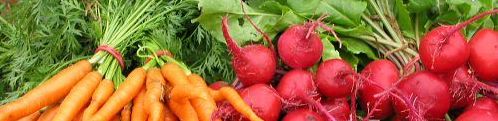
The shocking fact is that, far from reaching the envisaged Millenium Development Goals, more than 10 million children under the age of five are still dying every year. A high proportion of those children die victims of common diseases that could be prevented through a better nutrition. This number has been equated with a ‘Nutritional Holocaust’ . It is unfortunate that the world is not embracing more readily a number of approaches wih the potential to substantially reduce the number of deaths. It has been calculated that the life of 25 percent of those children could be spared by providing them with diets that included crops biofortified with provitamin A (beta-carotene) and zinc. Golden Rice is such a biofortified crop. Those involved in the project are hopeful that in a near future Golden Rice will be growing in farmers' fields and helping to improve the diets of millions of people.

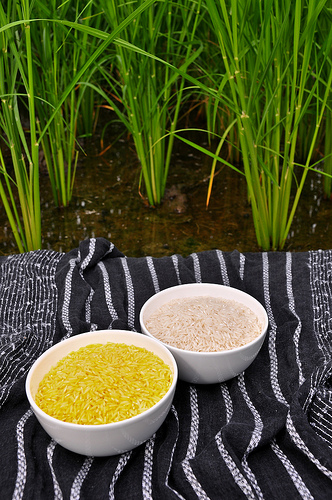
Golden Rice grains are easily recognisable by their yellow to orange colour. The stronger the colour the more β-carotene. While a yellow rice is still unfamiliar to most of us, it is hoped that the pleasant colour will help promote its adoption. Would you believe that once upon a time carrots were white or purple? Orange-coloured carrots are the product of a mutation selected by a Dutch horticulturist a few hundred years ago, because it was the colour of the Dutch Royal House of Orange-Nassau!
*Welch RM and Graham RD (2004) Breeding for micronutrients in staple food crops from a human nutrition perspective. J Exp Bot 55:353-364.
Quantum leap:
Golden Rice accumulates provitamin A (β-carotene) in the grain
Rice produces β-carotene in the leaves but not in the grain, where the biosynthetic pathway is turned off during plant development. In Golden Rice two genes have been inserted into the rice genome by genetic engineering, to restart the carotenoid biosynthetic pathway leading to the production and accumulation of β-carotene in the grains. Both genes are naturally involved in carotene biosynthesis. The difference here is that the reconstructed pathway is not subject to downregulation, as usually happens in the grain.
Since a prototype of Golden Rice was developed in the year 2000, new lines with higher β-carotene content have been generated. The intensity of the golden colour is a visual indicator of the concentration of β-carotene in the endosperm.Our goal is to make sure that people living in rice-based societies get a full complement of provitamin A from their traditional diets. This would apply to countries such as India, Vietnam, Bangladesh. the Philippines, and Indonesia. Golden Rice could still be a valuable complement to children's diets in many countries by contributing to the reduction of clinical and sub-clinical vitamin A deficiency-related diseases.
Many people are aware that vitamin A has something to do with vision, especially at night. But many are not aware of the central role it plays in maintaining the integrity of the immune system. According to the World Health Organization, dietary vitamin A deficiency (VAD) compromises the immune systems of approximately 40 percent of children under the age of five in the developing world, greatly increasing the risk of severe illnesses from common childhood infections, thus causing hundreds of thousands of unnecessary deaths among them.
In remote rural areas Golden Rice could constitute a major contribution towards sustainable vitamin A delivery. To achieve this goal a strong, concerted, and interdisciplinary effort is needed. This effort must include scientists, breeders, farmers, regulators, policy-makers, and extensionists. The latter will play a central role in educating farmers and consumers as to their available options. While the most desirable option woud be a varied and adequate diet, this goal is not always achievable, at least not in the short term. The reasons are manifold, ranging from tradition to geographical and economical limitations. Golden Rice is a step in the right direction in that it does not create new dependencies or displace traditional foodstuff.
Golden Rice, the real thing
Who is behind Golden Rice
 Golden Rice is the brainchild of Profs Ingo Potrykus (ETH Zurich) and Peter Beyer (Univ of Freiburg), who in a collaborative effort were able to show that production of β-carotene could be turned on in rice grains using a minimum set of transgenes. From the beginning Golden Rice was conceived as a public-good project under the guidance of the Golden Rice Humanitarian Board. The initial prototype (Science 2000) was further improved in terms of provitamin A (β-carotene) content by a research team at Syngenta (Nature Biotechnology 2005). From 2005 to 2010 the project dealt mainly with breeding the novel trait into locally adapted rice varieties. Along its way the project has been funded by a number of donors, including the Rockefeller Foundation, the Bill & Melinda Gates Foundation (Grand Challenges in Global Health Initiative), USAID, the Philippine Department of Agriculture, HarvestPlus, the European Commission, Swiss Federal Funding, and the Syngenta Foundation. Several companies have provided free access to their patented technologies necessary to generate Golden Rice . Current breeding and field trialling work is being carried out by the International Rice Research Institute (IRRI) in the Philippines together with PhilRice, the Philippine Rice Research Institute. PhilRice is preparing a submission to the regulatory authority of the Philippines in 2013, which could lead to initial releases to farmers in 2014. And the work doesn't stop there. If the first hurdles are taken successfully, then Golden Rice will be heading towards China, India, Bangladesh, Indonesia, and Vietnam. In those countries national programs are already involved in laying out the necessary groundwork.
Helen Keller International
 Helen Keller International (HKI) has been working to address vitamin A deficiency (VAD) for well over 30 years and continues to work with local partners to deliver vitamin A to those in need through implementation of complementary interventions including vitamin A supplementation, promotion of optimal breastfeeding, dietary diversification and food fortification. HKI considers that Golden Rice may have the potential to be another complementary vehicle to combat vitamin A deficiency, particularly among those who are not reached by other mechanisms. Hence, HKI is working on determining the efficacy of Golden Rice to improve the vitamin A status in deficient individuals. If proved efficacious and once approved by the regulatory bodies, HKI would proceed to include Golden Rice in their VAD combatting toolbox. According to HKI 190 million pre-school children and 19 million pregnant women are currently vitamin A deficient. Each year, an estimated 670,000 children will die from VAD, and 350,000 will go blind. In the Philippines, approximately 1.7 million children aged 6 months to 5 years and an additional three out of every ten school-aged children have VAD, as do one out of every five pregnant and lactating mothers. In Bangladesh, one in every five of pre-school aged children are estimated to have VAD. In these, as almost in all developing countries, effective distribution systems for vitamin A supplementation are not in place to reach all people in need adequately and consistently. Supplementation programs incur high logistic costs that not every region can afford.
Golden Rice will reach those who need it at no additional cost
Growers will be able to reuse their seed as they please
Those most in need of this new seed-based technology are those who can least afford buying an adequate diet, rich in essential nutrients. This has been taken into consideration by the creators of Golden Rice, Profs Peter Beyer and Ingo Portrykus, and the crop protection company Syngenta, who have worked together to make the latest, improved version of Golden Rice available for humanitarian use in developing countries, free of charge.
The Golden Rice Humanitarian Board encourages further research to determine how the technology may play a part in the ongoing global effort to fight Vitamin A Deficiency in poor countries. While Golden Rice is an exciting development, it is important to keep in mind that malnutrition is to a great extent rooted in political, economic and cultural issues that will not be solved by a technical fix. Yet Golden Rice offers people in developing countries a valuable and affordable choice in the fight against the scourge of malnutrition.
This site is maintained by the Golden Rice Humanitarian Board for the purpose of providing information on the background and progress of the Golden Rice Humanitarian Project.